Modern kitchens are filled with smart appliances that make cooking faster, easier, and more enjoyable. Among the most popular kitchen helpers are food processors and choppers. At first glance, they may seem similar because both are designed to cut and prepare ingredients. However, they serve different purposes and offer different features.
If you are shopping for a kitchen appliance and wondering whether you should buy a food processor or a chopper, this detailed guide will help you make the right decision. We will compare their features, functions, advantages, disadvantages, prices, performance, and ideal usage so you can confidently choose the best appliance for your kitchen.
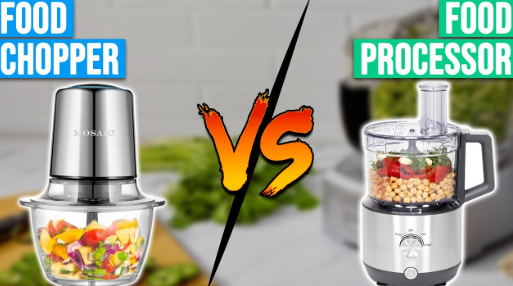

Understanding the Basics
Before comparing the two, it is important to understand what each appliance actually does.
What Is a Food Processor?
A food processor is a multifunctional kitchen appliance designed to handle a wide range of food preparation tasks. It usually comes with multiple blades and attachments that allow it to chop, slice, shred, knead dough, puree, and even grind ingredients.
Food processors are larger, more powerful, and more versatile than choppers. They are ideal for people who cook frequently or prepare large meals.
Common Tasks a Food Processor Can Handle
- Chopping vegetables
- Slicing cucumbers and potatoes
- Shredding cheese
- Kneading dough
- Making peanut butter
- Mixing sauces
- Grinding nuts
- Pureeing soups
- Preparing hummus
- Making salsa
What Is a Chopper?
A chopper is a smaller appliance mainly designed for chopping food quickly and easily. It is compact, simple to use, and perfect for basic kitchen tasks.
Most choppers use a single blade system and are excellent for cutting onions, garlic, herbs, nuts, and small vegetables.
Common Tasks a Chopper Can Handle
- Chopping onions
- Mincing garlic
- Cutting herbs
- Chopping nuts
- Preparing small amounts of vegetables
- Making quick dips
Main Difference Between Food Processor and Chopper
The biggest difference is versatility.
A food processor performs many kitchen functions, while a chopper focuses mainly on chopping.
Think of a chopper as a small helper for quick jobs and a food processor as a complete kitchen workstation.
Size Comparison
Food Processor Size
Food processors are usually larger and occupy more counter space. They often come with bowls ranging from 7 cups to 16 cups or more.
This larger size makes them ideal for:
- Big families
- Meal prepping
- Batch cooking
- Baking projects
However, they may be harder to store in small kitchens.
Chopper Size
Choppers are compact and lightweight. Most have capacities between 1 and 4 cups.
Their small size makes them perfect for:
- Small kitchens
- Apartments
- Quick meal preparation
- Single-person households
They are also easier to clean and store.
Power and Motor Strength
Food Processor Motor
Food processors are equipped with powerful motors, usually ranging from 400 to 1200 watts.
This extra power allows them to handle:
- Hard vegetables
- Dough mixing
- Thick purees
- Heavy-duty tasks
They can process ingredients quickly and efficiently without overheating.
Chopper Motor
Choppers generally have smaller motors ranging from 70 to 400 watts.
They are designed for lighter tasks like:
- Chopping onions
- Cutting herbs
- Crushing soft ingredients
Heavy-duty tasks may strain the motor.
Versatility Comparison
Food Processor Functions
One of the biggest advantages of a food processor is its versatility.
Most models can:
Slice
Perfect for cucumbers, carrots, potatoes, and tomatoes.
Shred
Useful for cheese, cabbage, and vegetables.
Knead Dough
Excellent for pizza dough, bread dough, and pastry preparation.
Puree
Ideal for sauces, soups, baby food, and dips.
Grind
Can grind nuts, breadcrumbs, seeds, and meat.
Emulsify
Great for mayonnaise, dressings, and creamy sauces.
Chopper Functions
Choppers are simpler and mainly focus on:
- Chopping
- Mincing
- Basic mixing
Some advanced choppers may also whip or puree soft foods, but their capabilities are limited compared to food processors.
Ease of Use
Food Processor
Food processors can sometimes feel complicated because they come with multiple attachments and settings.
Users may need time to learn:
- Which blade to use
- How to assemble parts
- Proper speed settings
However, once mastered, they become extremely useful.
Chopper
Choppers are usually very simple.
Most models only require:
- Add ingredients
- Press button
- Chop food
This simplicity makes them beginner-friendly and convenient for everyday use.
Cleaning and Maintenance
Cleaning a Food Processor
Food processors have more parts, including:
- Multiple blades
- Lids
- Bowls
- Attachments
Cleaning can take longer, especially after sticky or oily recipes.
However, many modern models include dishwasher-safe components.
Cleaning a Chopper
Choppers are easier and faster to clean because they have fewer parts.
This is a major advantage for people who dislike washing kitchen appliances.
Price Comparison
Food Processor Price Range
Food processors are generally more expensive because they offer more features and power.
Budget Models
Usually suitable for basic chopping and slicing.
Mid-Range Models
Offer multiple attachments and stronger motors.
Premium Models
Include advanced features, large capacities, and professional performance.
Chopper Price Range
Choppers are usually much cheaper and more affordable for budget-conscious buyers.
Even inexpensive choppers can perform basic chopping tasks very well.
Performance in Different Kitchen Tasks
Chopping Vegetables
Food Processor
Excellent for large quantities.
Chopper
Perfect for small quantities and quick prep.
Making Dough
Food Processor
Handles dough efficiently.
Chopper
Usually not suitable for dough.
Slicing and Shredding
Food Processor
Comes with slicing and shredding discs.
Chopper
Cannot properly slice or shred.
Making Sauces and Purees
Food Processor
Creates smooth, professional textures.
Chopper
Works for basic sauces but may leave chunks.
Grinding Nuts and Seeds
Food Processor
Handles large batches easily.
Chopper
Can grind small amounts only.
Advantages of a Food Processor
1. Multi-Function Capability
A single appliance can replace several kitchen tools.
2. Saves Time
Perfect for meal prep and cooking large meals quickly.
3. Handles Large Quantities
Ideal for families and gatherings.
4. Powerful Motor
Can process tough ingredients effortlessly.
5. Excellent for Baking
Great for dough preparation and mixing.
Disadvantages of a Food Processor
1. More Expensive
Higher upfront investment.
2. Larger Size
Requires more storage space.
3. More Parts to Clean
Cleaning can be time-consuming.
4. Can Feel Complicated
Beginners may need practice.
Advantages of a Chopper
1. Affordable
Budget-friendly option.
2. Compact Design
Easy to store in small kitchens.
3. Quick and Convenient
Excellent for fast everyday chopping.
4. Easy to Clean
Minimal parts make cleanup simple.
5. Beginner-Friendly
Simple operation with fewer settings.
Disadvantages of a Chopper
1. Limited Functions
Mostly restricted to chopping.
2. Smaller Capacity
Not ideal for large families.
3. Less Powerful
Cannot handle heavy-duty tasks.
4. Not Suitable for Dough
Limited performance for advanced recipes.
Who Should Buy a Food Processor?
A food processor is the best choice if:
- You cook frequently
- You prepare meals in large quantities
- You enjoy baking
- You want one appliance for many tasks
- You make sauces, dough, or dips regularly
- You need slicing and shredding functions
Ideal Users
- Large families
- Home chefs
- Meal preppers
- Baking enthusiasts
Who Should Buy a Chopper?
A chopper is ideal if:
- You only need basic chopping
- You cook simple meals
- You have a small kitchen
- You want an affordable appliance
- You prefer easy cleaning
- You prepare food in small quantities
Ideal Users
- Students
- Singles
- Small families
- Beginners
- People with limited kitchen space
Food Processor vs Chopper for Small Kitchens
If kitchen space is limited, a chopper often makes more sense.
Its compact design allows easy storage in:
- Drawers
- Cabinets
- Small countertops
Food processors may require permanent counter space because of their larger size.
However, if you cook often, the extra space used by a food processor may still be worth it.
Food Processor vs Chopper for Meal Prep
Meal prep lovers usually benefit more from food processors because they can:
- Slice vegetables quickly
- Shred cheese
- Prepare sauces
- Chop large batches
A chopper is helpful for smaller meal prep sessions but may feel limiting for large quantities.
Food Processor vs Chopper for Healthy Eating
Both appliances can support healthy cooking.
Food Processor Benefits
- Makes homemade hummus
- Creates fresh nut butter
- Prepares healthy sauces
- Helps with vegetable prep
Chopper Benefits
- Quickly chops onions and herbs
- Encourages fresh cooking
- Saves time during meal preparation
Energy Consumption
Food processors use more electricity because of their larger motors.
Choppers consume less power and are generally more energy-efficient for small tasks.
However, the overall difference in home electricity usage is usually small.
Noise Levels
Food processors are typically louder because of their powerful motors.
Choppers are often quieter and less disruptive.
If noise matters to you, a chopper may feel more comfortable for daily use.
Durability and Lifespan
Food Processor Durability
High-quality food processors can last many years with proper care.
Premium models often include:
- Strong motors
- Durable blades
- Heavy-duty construction
Chopper Durability
Choppers can also last long but may wear out faster if overused or forced into heavy tasks.
Budget models may have weaker plastic components.
Safety Features
Modern food processors often include advanced safety features like:
- Lid-lock systems
- Non-slip feet
- Overheat protection
Choppers also include safety mechanisms but usually have simpler designs.
Always follow manufacturer instructions when using sharp blades.
Best Situations for Using a Food Processor
A food processor shines in situations like:
- Holiday cooking
- Large dinner preparation
- Baking sessions
- Weekly meal prep
- Homemade sauces and dips
- Large salad preparation
Best Situations for Using a Chopper
A chopper is perfect for:
- Quick onion chopping
- Everyday garlic prep
- Small salsa batches
- Herb chopping
- Fast cooking sessions
Can You Own Both?
Yes, many people own both appliances.
A common setup is:
- Use the food processor for large or complex tasks
- Use the chopper for quick daily jobs
This combination offers maximum kitchen convenience.
Important Features to Consider Before Buying
Bowl Capacity
Choose according to family size and cooking habits.
Blade Quality
Sharp stainless-steel blades provide better performance.
Motor Power
Higher wattage means better processing ability.
Attachments
Food processors may include:
- Dough blades
- Slicing discs
- Shredding discs
Dishwasher-Safe Parts
Makes cleaning easier.
Build Quality
Durable construction improves lifespan.
Common Mistakes Buyers Make
Buying a Chopper for Heavy Tasks
Many buyers expect a chopper to replace a food processor completely. This often leads to disappointment.
Buying a Large Food Processor for Small Needs
If you only chop onions occasionally, a food processor may be unnecessary.
Ignoring Storage Space
Always measure available kitchen space before purchasing.
Overlooking Cleaning Time
Complex appliances require more maintenance.
Manual Chopper vs Electric Chopper
Some choppers are manual instead of electric.
Manual Choppers
- No electricity needed
- Portable
- Budget-friendly
Electric Choppers
- Faster
- More convenient
- Better consistency
Choose based on your cooking style and budget.
Food Processor vs Blender
Many people confuse food processors with blenders.
Blender
Best for liquids like:
- Smoothies
- Soups
- Milkshakes
Food Processor
Best for solid food prep like:
- Chopping
- Slicing
- Dough mixing
Some kitchens benefit from owning both appliances.
Which Appliance Gives Better Value?
The answer depends on your needs.
Best Value Food Processor
Worth the investment for serious cooking and versatile use.
Best Value Chopper
Excellent for simple daily tasks at a lower price.
Final Verdict: Food Processor vs Chopper
Choosing between a food processor and a chopper ultimately depends on your cooking habits, kitchen size, and budget.
If you cook frequently, prepare large meals, enjoy baking, or want a versatile appliance that can handle many kitchen tasks, a food processor is the better investment. It offers power, flexibility, and professional-level food preparation capabilities.
On the other hand, if you mainly need quick chopping for onions, herbs, garlic, and small vegetables, a chopper is a practical and affordable solution. It is compact, easy to clean, and ideal for everyday convenience.
For many households, the best option may actually be owning both. A food processor handles bigger jobs, while a chopper makes quick daily prep effortless.
Before buying, consider:
- Your cooking frequency
- Kitchen space
- Budget
- Meal preparation style
- Desired features
By understanding the strengths and limitations of each appliance, you can confidently choose the one that perfectly matches your kitchen needs.